
Room Specification Review
We map table count, game mix, player level, and weekly hours to the right Aramith family. A small private room, a bar-box league, a snooker academy, and a broadcast table do not need the same buying logic.
Aramith service is framed as a technical discipline: batch selection, cue-ball compatibility, care intervals, dealer training, and tournament preparation all have to work together. For a club, the issue is rarely whether a ball set looks premium on day one. The harder question is how it behaves after months of chalk, impact, cleaning, player complaints, and league play. Our service model gives operators a way to connect material science to daily room management without turning the buying process into guesswork.
We map table count, game mix, player level, and weekly hours to the right Aramith family. A small private room, a bar-box league, a snooker academy, and a broadcast table do not need the same buying logic.
Magnetic return systems, spotted practice cue balls, and tournament pro-cup cue balls are reviewed against the table ecosystem so the room avoids mismatched behavior.
Showroom staff get concise talking points on phenolic resin, surface maintenance, burn marks, cloth protection, and premium set differentiation.
Event rooms can define cleaning, rotation, visual inspection, and warm-up practices before a match calendar begins.
We help operators separate normal cosmetic aging from play-affecting wear, then plan replacement intervals by table traffic.
The objective is practical: let a buyer understand the set, let a dealer quote it responsibly, and let a venue protect table quality over time. The service conversation covers stock availability, replacement cue balls, cleaner use, storage, and how to communicate premium value to players who may only notice the ball when something feels wrong.
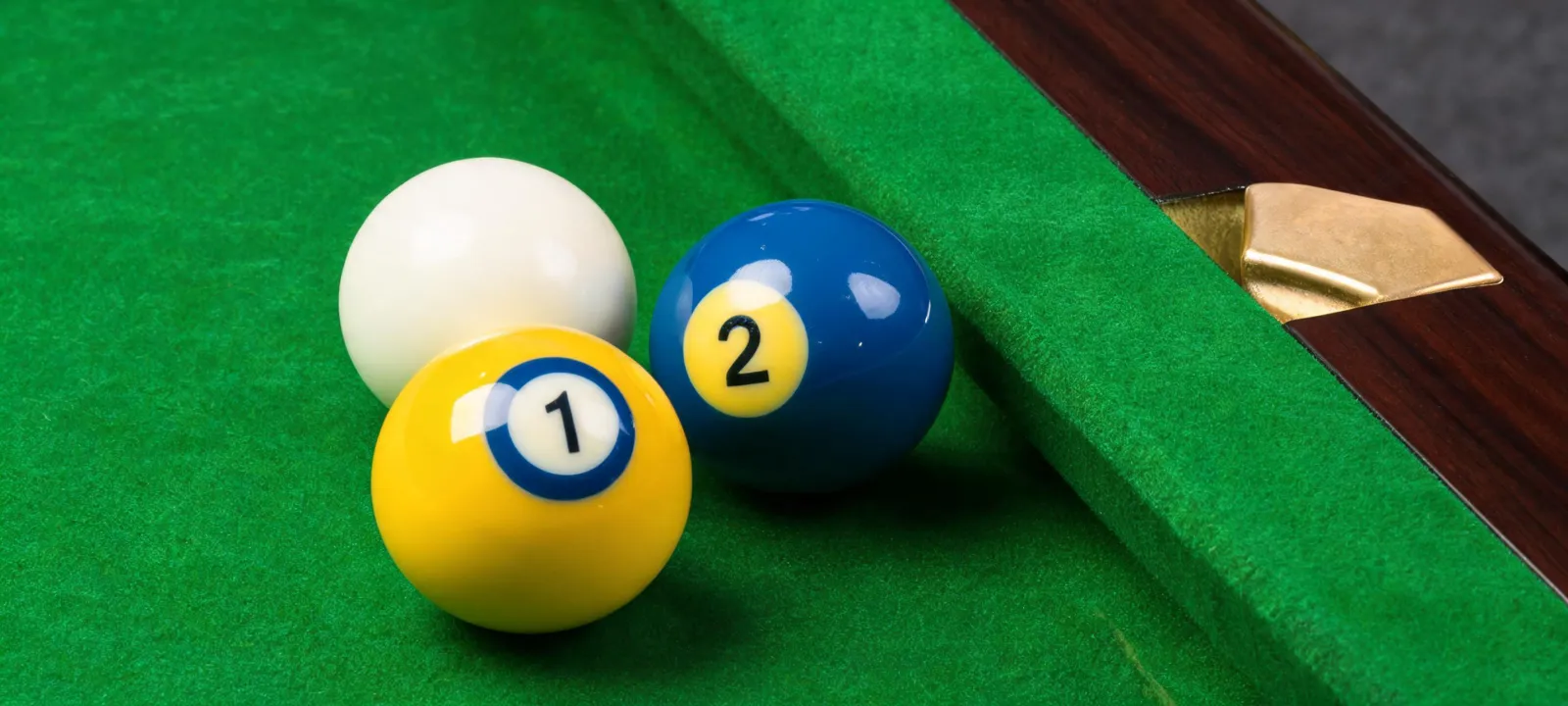
Bring table count, room type, and current ball issues. Leave with a set recommendation and care path.
Reserve Technical Review